
6 Common Pediatric Movement Myths: What Parents Should Know About Their Child’s Development
From those first tummy-time sessions to running, jumping, and playing sports, every stage of a child’s movement journey plays an important role in their growth and development. These milestones help children build strength, coordination, balance, and confidence as they explore the world around them.
But how do you know what’s typical and when something may need a little extra attention?
Let’s debunk six common myths about pediatric movement and development to help you better understand your child’s progress, recognize potential concerns, and support healthy movement at every stage.
1. Is Crawling Just a Phase That Doesn’t Matter?
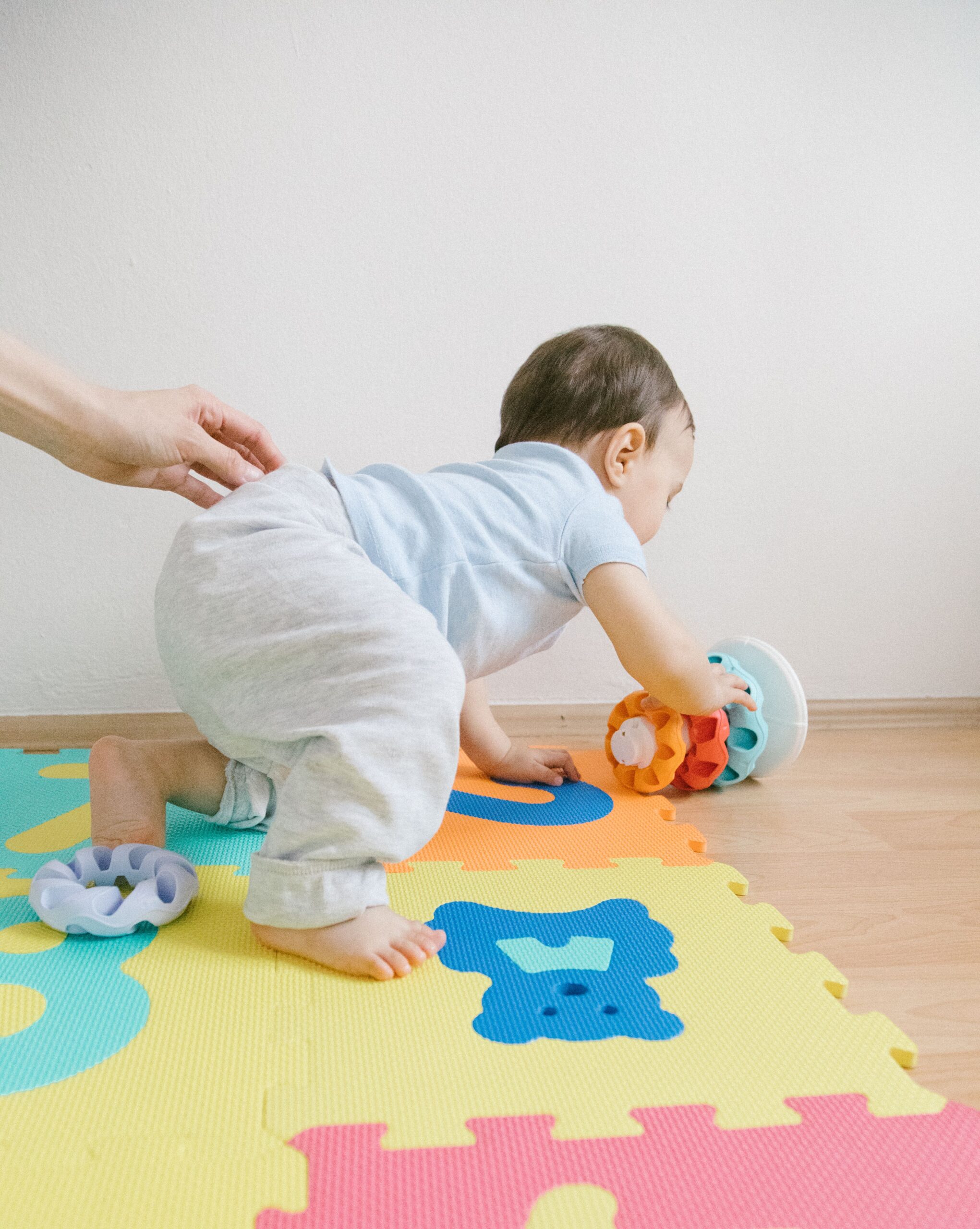
Absolutely not! Crawling deserves just as much attention as walking. Although walking is often celebrated as a major milestone, crawling plays an important role in motor development. It strengthens the arms, legs, shoulders, and core while building coordination, balance, and body awareness.
As babies crawl, they practice coordinating opposite arm and leg movements, shifting their weight, and stabilizing their trunk. Crawling also encourages exploration, helping babies navigate their surroundings and develop spatial awareness.
While every child develops differently, crawling provides valuable opportunities to build foundational movement skills.
What can parents do? Provide a safe space on the floor for supervised movement and exploration. Place toys slightly out of reach to encourage reaching, pivoting, and moving toward objects. Allow your baby time to practice at their own pace rather than rushing toward the next milestone.
2. Is Tummy Time Only Important for Babies Who Aren’t Rolling Yet?
No! Tummy time remains valuable even after babies learn to roll. Tummy time isn’t just for newborns! As babies grow and become more mobile, playing on their stomachs continues to strengthen the neck, shoulders, arms, and core muscles needed for more advanced movement.
These muscles support skills like reaching, pushing up, crawling, creeping, and eventually pulling to stand. Tummy time also helps babies practice shifting their weight, reaching across their bodies, and developing coordination.
Even after babies learn to roll, tummy time and varied floor play remain valuable for building strength and preparing for future milestones.
What can parents do? Encourage age-appropriate floor play throughout the day. Place toys at different heights and positions to encourage reaching, pushing up, pivoting, and
transitioning between positions. As your baby becomes more mobile, allow plenty of
safe opportunities to explore.
3. Will a Child Naturally Grow Out of Toe-Walking Over Time?
Sometimes, but persistent toe-walking should not automatically be dismissed as a phase.
Some children walk on their toes while learning to walk, but frequent or persistent toe walking may be associated with calf muscle tightness, limited ankle mobility, sensory preferences, or underlying motor, neurological, or developmental differences.
Not every child who toe-walks has an underlying concern, but the frequency, duration, and ability to place their heels flat on the floor are important to consider. Over time, persistent toe-walking may contribute to reduced ankle mobility, balance challenges, and changes in walking patterns that affect everyday activities.
A pediatric physical therapist can assess ankle mobility, muscle flexibility, strength, balance, and walking mechanics to help determine whether further evaluation or treatment is needed.
What can parents do? Pay attention to how often your child walks on their toes and whether they can stand and walk with their heels down. If toe-walking persists, becomes more frequent, or is accompanied by pain, stiffness, weakness, or a noticeable difference between the two sides, seek an evaluation. New or sudden-onset toe-walking also deserves medical attention.
4. Is It Normal for Toddlers to Be Clumsy or Uncoordinated?
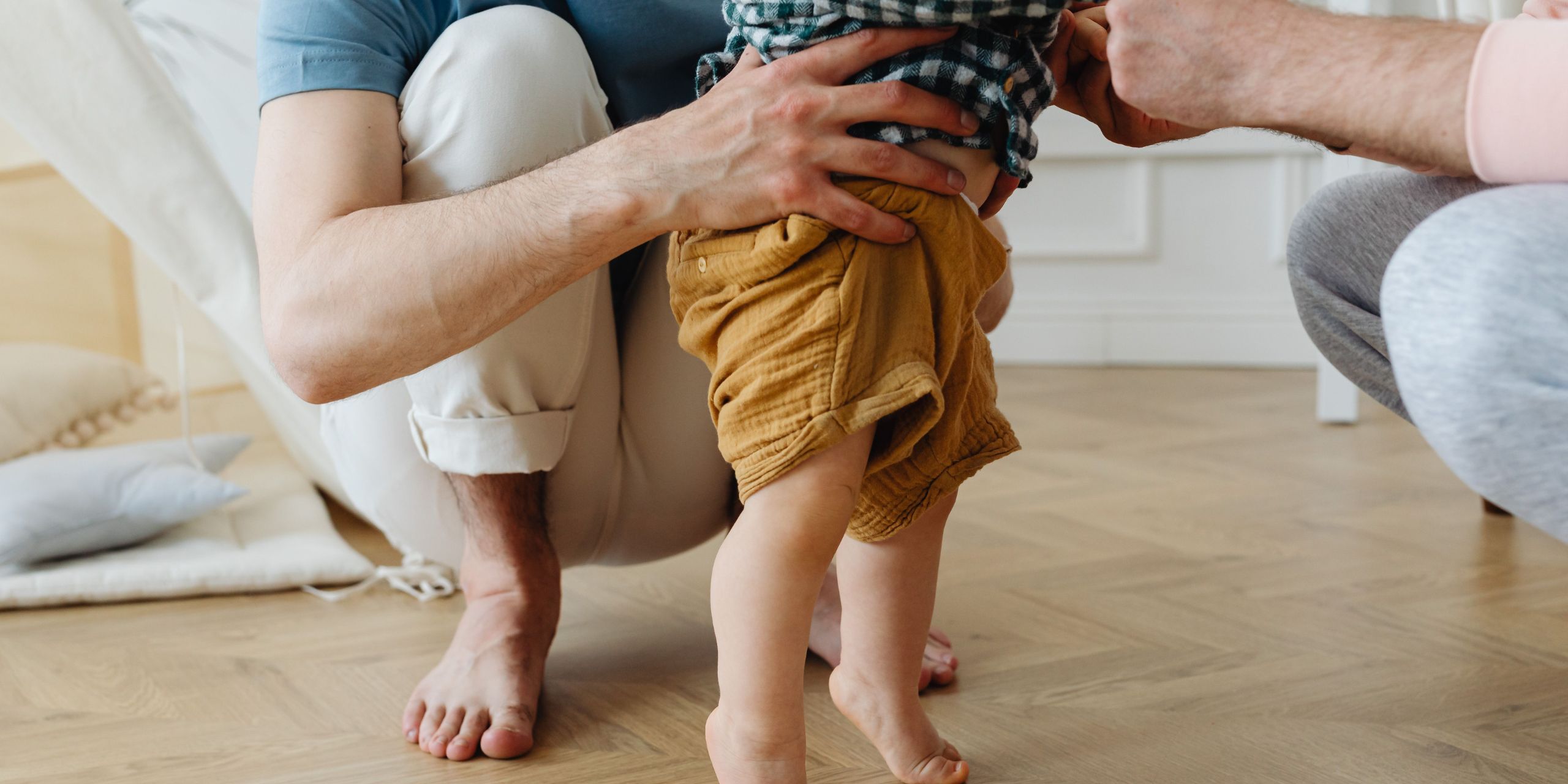
Some clumsiness is expected but a child’s movement skills should continue to progress. Toddlers are learning to control their bodies as they explore the world around them. Walking, turning, climbing, and stepping over obstacles all require strength, balance, coordination, and body awareness.
Occasional falls and awkward movements are normal as toddlers develop. Over time, they gain stability, smoother walking patterns, and better control. By the end of toddlerhood, many children are developing skills like running, jumping, kicking, throwing, and attempting to catch a ball.
However, frequent falls, difficulty keeping up with peers, persistent asymmetry, or limited progress with age-appropriate skills may warrant further evaluation, especially if a child loses previously acquired skills.
What can parents do? Make movement part of everyday play. Walking over different safe surfaces, stepping over low obstacles, dancing, climbing on age-appropriate playground equipment, kicking balls, and playing simple throwing games can all help children develop coordination and balance.
5. Is Strength Training Dangerous for Children’s Joints?
No! When appropriately designed and supervised, strength training can be a valuable part of healthy childhood development.
One common misconception is that strength training always involves lifting heavy weights. In reality, children can build strength through body-weight exercises, resistance bands, light weights, and functional play.
Exercises like squats, step-ups, modified push-ups, and climbing help improve strength, endurance, and power. Properly designed resistance training can also support bone health and prepare children for the demands of sports and everyday activities.
The key is tailoring exercises to the child’s age, abilities, and goals. With proper instruction, good technique, and gradual progression, strength training can be safe and beneficial. The biggest risks come from inappropriate resistance, poor form, inadequate supervision, or pushing through pain.
What can parents do? Focus on movement quality rather than the amount of resistance. Encourage activities that build strength naturally, such as climbing, jumping, balancing, and playing. For structured training, seek guidance from a qualified professional such as your child’s physical therapist.
6. Are Growing Pains Normal or Expected as Children Get Older?
Leg aches can occur during childhood, but pain should never automatically be attributed to growing.
“Growing pains” commonly describe recurring aches in children’s legs, often affecting both legs in the muscles rather than the joints. They typically occur in the evening or at night, with children feeling comfortable between episodes and no associated limping or swelling.
However, not all childhood pain is related to growing. Muscle fatigue, overuse, injuries, and other medical conditions can also cause discomfort. Pay attention to when the pain occurs, where it is located, and whether it affects your child’s daily activities.
Persistent or worsening pain, pain during activity, swelling, or limping warrants evaluation by a healthcare provider. Severe pain, fever, a red or hot joint, or an inability to bear weight may require urgent medical attention.
What can parents do? Keep track of your child’s symptoms and any patterns related to activity, rest, or time of day. Avoid assuming that recurring pain is simply part of growing, especially when it interferes with movement or daily activities.
The Takeaway: Every Child’s Journey Is Different
Every child develops at their own pace, and there is no one-size-fits-all approach to movement and development. What works for one child may not be the best fit for another and even healthcare professionals may have different perspectives on your child’s needs and the best path forward.
The most important thing is to ask questions, share your concerns, and take the time to talk with your child’s healthcare team. Remember, you know your child best. Trust your instincts, advocate for their needs, and don’t be afraid to seek another perspective if you still have concerns.
When it comes to your child’s development, the best approach is one that’s tailored to them. A pediatric physical therapist can work alongside your family and healthcare team to help guide your child’s movement journey and support their long-term success.
 Physical Therapy