
Ever wish you had a simple and concise list of ways you can adjust your home environment optimally for feeding?
Here is a simple list of Do’s and Don’ts your therapist might have mentioned in sessions that you can come back to for easy reading!
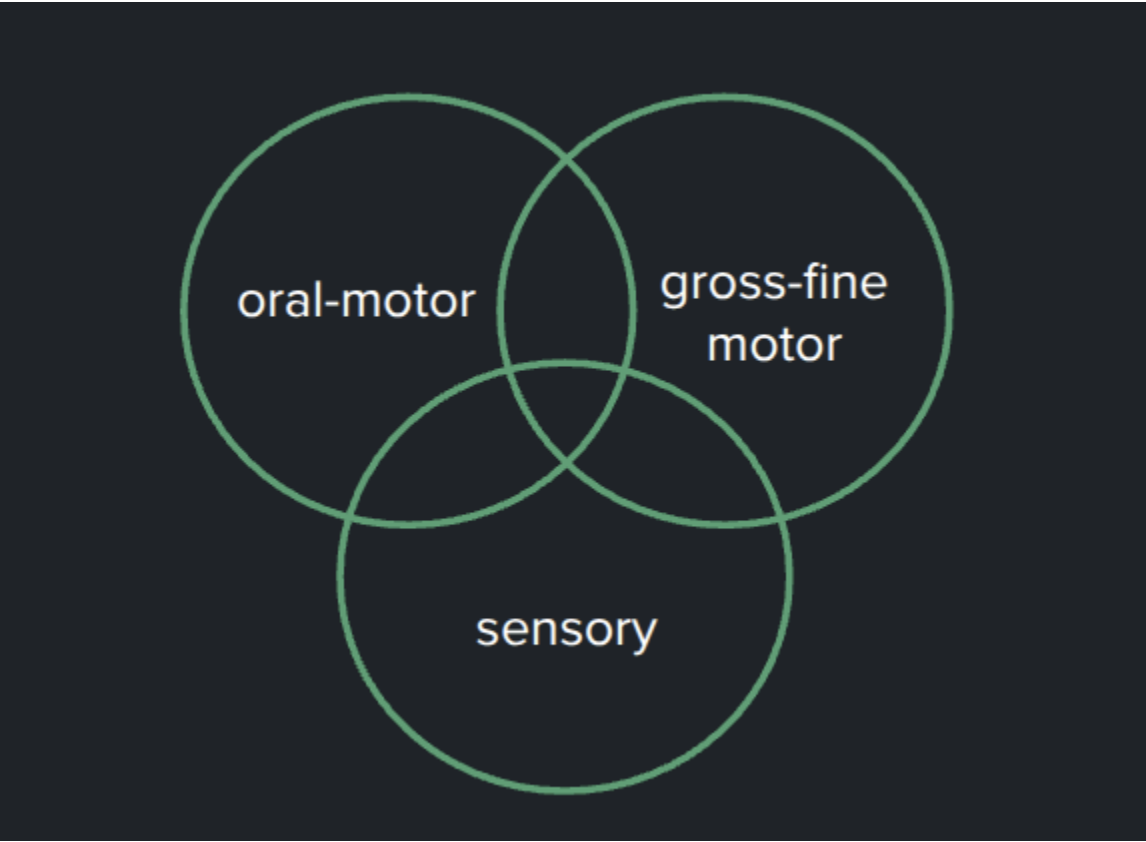
Remember that eating is a complex, learned behavior that involves many systems in our body at once. Feeding is not just behavioral, it’s also neurological! Here are a list of systems involved in eating.
- Oral-motor –function of tongue, lips, swallowing muscles, facial muscles, etc.
- Sensory –touch (tactile), smell (olfactory), see (visual), hear (auditory), taste (gustatory)
- Gross/Fine Motor –breathing, postural stability, grasping, trunk rotation, tipping cup or utensils
A key component your feeding therapist has in mind when treating your child is REGULATION. When our bodies are in “fight or flight” mode, many bodily functions can become suppressed, including appetite.
If they’re not regulated, they likely won’t have an appetite. If you’re not regulated, your child won’t be either. So how can we achieve regulation prior to and during meal times?
Let’s break it down section, by section.
Gross Motor
- DO get your child moving prior to meal times (e.g., obstacle course, intentional & facilitated swinging or bouncing on a therapy ball) to prepare bodies to sit for extended period of time.
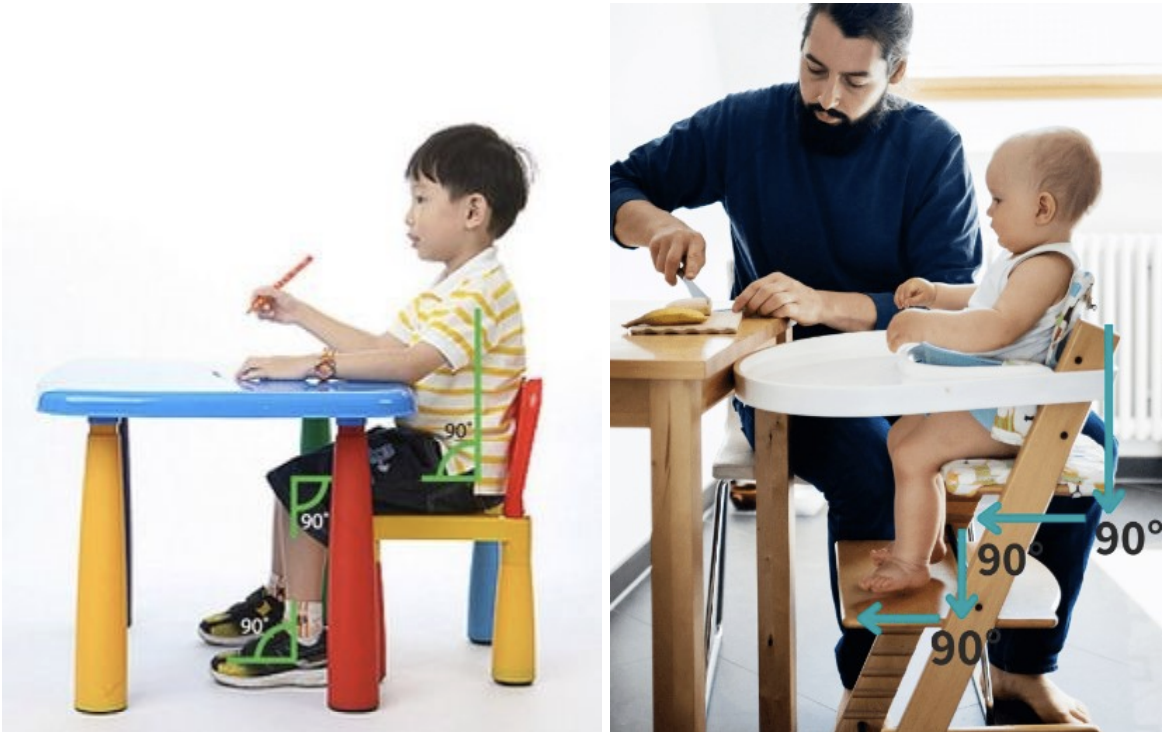
- DO ensure 90-90-90 seating
- DO adapt your seating with things you have at home! For example, you can use books stacked up or cardboard boxes to ensure your child’s feet are planted on something solid if their feet do not reach the floor.
See/Visual
- DO establish a routine that resets the space and do it together! For example, if your kitchen table is also used for homework, reset the space at dinner time by having your child set out place mats, plates, and cups at each seating space.
- DO use plain plates, cups, and utensils. DONT overwhelm the visual system with designed utensils and plates.
- DON’T avoid presenting new or non-preferred food items. The goal is always exposure! You can always set out a “not right now” plate where your child can feel safe placing items they are not ready to try yet.
Smell/Olfactory
- DO limit smells if possible
- DO cover strong smells with a lid and slowly allow your child to smell it as they are comfortable.
Hear/Auditory
- DON’T flood your child with too many demands/questions at mealtimes. Focus should be on eating.
- DO model simple and necessary language.
- DO be mindful of background noise (e.g., music, side conversations)
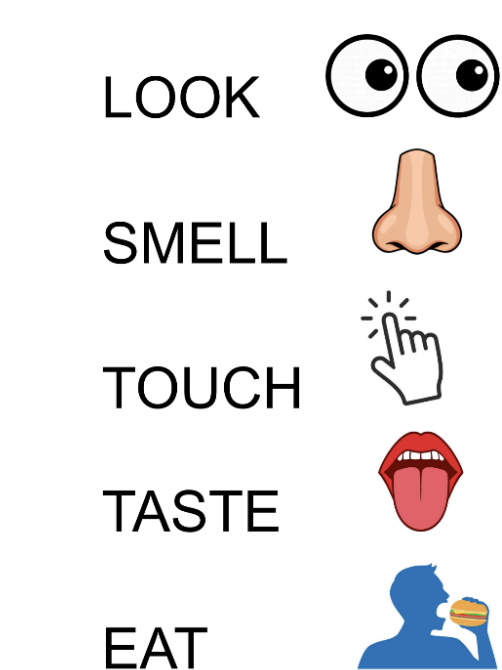
And lastly, DON’T forget there are many ways to interact with food other than taste.
 Physical Therapy